Introduction
Monitoring vital signs at home is one of the most important steps in daily healthcare, especially for older adults, people with chronic conditions, and patients recently discharged from hospital. Vital signs such as blood pressure, temperature, pulse, respiratory rate, and blood oxygen saturation provide important indicators of the body’s overall condition.
Measuring these indicators may seem simple, but in many cases it helps identify health changes before the condition worsens or requires emergency intervention. This is where home nursing plays an important role by providing accurate, organized monitoring in a comfortable and safe environment.
What Are Vital Signs?
Vital signs are a group of measurements that reflect the body’s performance and essential functions. They usually include:
- Blood pressure.
- Heart rate.
- Body temperature.
- Respiratory rate.
- Blood oxygen saturation.
- Blood glucose level, when needed.
These measurements help provide a clearer picture of the patient’s health, especially when they are recorded regularly and compared with previous readings.
Why Is Home Monitoring Important?
Many patients do not need to remain in hospital, but they do require ongoing health monitoring. For example, a person with high blood pressure may need daily readings, someone with a respiratory condition may need oxygen saturation monitoring, and an older adult may need temperature and pulse checks to detect early signs of illness or infection.
Home monitoring helps reassure the family by making the patient’s condition clearer instead of relying only on general impressions or how the patient feels.
The Role of Home Nursing in Monitoring Vital Signs
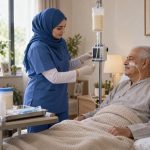
A nurse measures vital signs correctly using appropriate equipment, records the readings, and watches for unusual changes. The nursing team also helps explain the readings within the scope of general monitoring and alerts the family when the doctor should be contacted.
The nurse’s role is not limited to taking measurements. It also includes observing the patient’s general condition, such as activity level, skin color, breathing, appetite, sleep, and response to medications.
Who Needs This Service?
Home vital signs monitoring can be especially beneficial for:
- Older adults who need regular monitoring.
- People with hypertension or diabetes.
- People with heart conditions.
- People with respiratory conditions.
- Patients recently discharged from hospital.
- Patients recovering after surgery.
- Patients taking medications that require monitoring.
- Patients who are bedridden or have limited mobility.
Benefits of Monitoring Vital Signs at Home
This service offers many benefits for patients and their families, including:
- Early detection of health changes.
- Reduced anxiety for family members.
- Helping the doctor assess the patient through regular readings.
- Monitoring how medications affect the body.
- Reducing unnecessary hospital visits.
- Providing more organized care at home.
The Importance of Recording Readings
Vital signs should not only be measured; they should also be recorded with the date and time. This record helps the doctor or care team identify patterns: Does blood pressure rise at a particular time? Is the fever persistent? Does oxygen saturation change with movement? These details can support better medical decisions.
When Should You Seek Help?
Contact the doctor or seek medical assistance if readings are abnormal or concerning symptoms appear, such as shortness of breath, chest pain, persistent fever, severe dizziness, fainting, or a noticeable change in the patient’s level of consciousness.
Sanadkom’s Role in Home Monitoring
Sanadkom Home Nursing provides follow-up services that help patients monitor their health safely and systematically at home. Qualified nursing professionals measure vital signs, monitor the patient’s condition, and provide guidance that helps the family manage the situation with confidence and peace of mind.
Conclusion
Monitoring vital signs at home is more than a routine procedure. It is an important step in protecting the patient’s health and detecting changes early. With a specialized home nursing team, monitoring becomes more accurate and convenient, giving patients and their families greater peace of mind at home.