

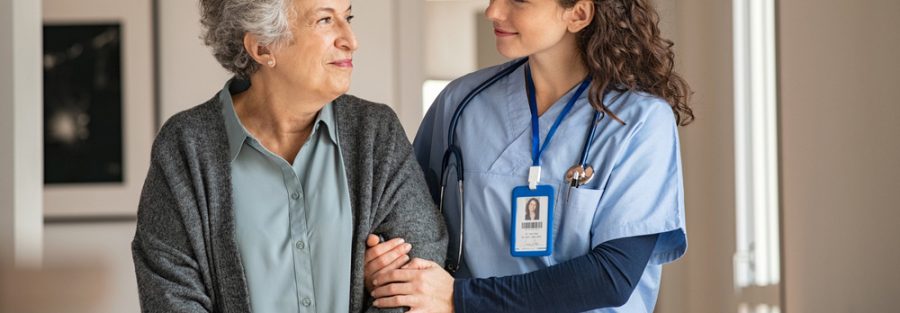
As people age, many face challenges related to physical and mental health, making elder care an urgent necessity. Caring for the elderly is not just a social duty; it is a human and moral responsibility that reflects the values of society. In this article, we will discuss the importance of elder care, the challenges they face, and the various care methods that can be provided..
- The importance of elder care
Elder care is a fundamental aspect of social care, as this demographic represents a significant portion of society. Older adults need support and care to ensure their quality of life, and it is essential to understand their specific needs. The importance of elder care can include the following::
- Maintaining dignity.: Providing appropriate care for the elderly respects their dignity and promotes their independence. They should feel that they remain an active part of society..
- Addressing health needs.: As people age, the likelihood of developing chronic illnesses and health issues increases. Care must be directed toward addressing these specific needs..
- Providing Psychological Support: Older adults need emotional and psychological support, as they may experience feelings of loneliness or depression. Good care can provide them with a support network..
- Challenges faced by the elderly
This demographic faces several challenges that require special attention, including::
- Health problems.: Chronic diseases such as diabetes, hypertension, and heart disease pose a significant threat to the elderly. This requires ongoing healthcare and careful monitoring..
- Social isolation.: Many elderly individuals experience feelings of isolation due to the loss of friends or family, which negatively impacts their mental health..
- The need for daily assistance.: As physical ability declines, elderly individuals may require assistance with daily activities such as bathing, dressing, and eating..
- Elderly care methods.
There are various methods of elderly care, which may include the following::
- Home care.: This is a preferred option for many families, where care is provided at home by trained caregivers. This care includes assistance with daily activities, medication management, and basic healthcare..
- Nursing homes.: Nursing homes provide an environment designed to meet the needs of the elderly. These facilities offer healthcare, social activities, and psychological support all in one place..
- Community services.: These services include support through local programs, such as home visits from social workers or recreational activities at community centers..
- The role of family and community.
The family plays a crucial role in caring for the elderly. Family members should provide emotional and practical support, ensuring that their loved ones receive the care they need. It is also important for the community to be aware of the necessity of caring for the elderly and to work on developing programs and services that support this group..
- Innovation in elderly care.
Elderly care is experiencing significant advancements through technology. The use of assistive technologies, such as wearable devices for health tracking or applications that facilitate communication between individuals, enhances the quality of care. Additionally, smart applications can help caregivers organize appointments and provide remote support..
Conclusion
Elderly care is a collective responsibility that requires collaboration between family and community. By providing appropriate support and care, we can ensure that the elderly lead a dignified and healthy life. Respecting their needs and wishes is essential to ensure their satisfaction and happiness in the later stages of their lives..
We offer elderly care services through which you can: Click here For more details


